


Call us now
08045812717

 Send Inquiry
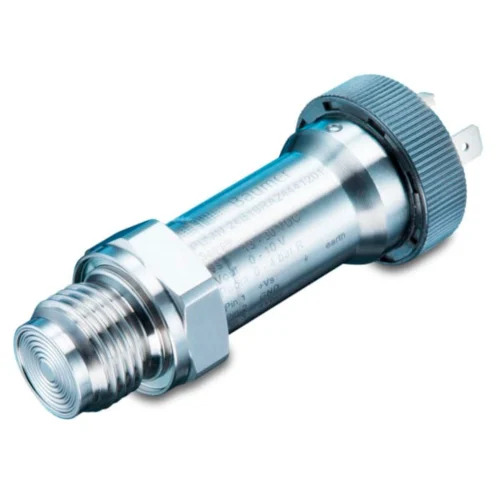
Flush Diaphragm Pressure Transmitter
Price 3200.00 INR/ Unit
Flush Diaphragm Pressure Transmitter Specification
- IP Rating
- IP65/IP67
- Operating Temperature
- -20C to 85C
- Humidity %
- 0-90% RH (Non-condensing)
- Insulation Material
- PBT (Polybutylene Terephthalate)
- Surface Finish
- Polished
- Connector Type
- DIN 43650 / M12 / Cable outlet
- Mounting Type
- Direct Threaded
- Shape
- Cylindrical with Flush Diaphragm
- Overheating Protection
- YES
- Efficiency
- >99%
- Feature
- High accuracy, Corrosion resistant, Flush Diaphragm design
- Product Type
- Flush Diaphragm Pressure Transmitter
- Application
- Sanitary, Food, Beverage, Pharmaceutical, Chemical industry
- Protection Level
- Short circuit and reverse polarity
- Frequency (MHz)
- DC Operated (N/A for frequency)
- Rated Voltage
- 24V DC (Typical)
- Energy Consumption
- <1.5W
- Output Type
- 4-20 mA / 0-10V
- Color
- Silver
- Dimension (L*W*H)
- 116 mm x 26 mm x 26 mm (approx.)
- Weight
- 210 g
- Size
- 26 mm diameter body
- Input Voltage
- 12-36V DC
- Connection Type
- Threaded (G1/2, G1, or customized)
- Material
- Stainless Steel 316L
- Output Signal
- 4-20 mA, 0-10 V, or customized
- Seal Material
- FPM, EPDM, NBR upon request
- Long Term Stability
- 0.2% FS/year
- Response Time
- <5 ms
- Accuracy
- 0.5% FS
- Electrical Connection
- DIN, M12, or cable gland
- Vibration Resistance
- Up to 20 g (20-2000 Hz)
- Medium Compatibility
- Liquids, pastes, light slurries
- Pressure Range
- 0-6 bar, 0-10 bar, 0-16 bar and others on request
- Process Connection
- Clamp/Thread/Flange optional
- Overload Pressure
- 150% of FS
- Explosion Proof Option
- Available on request
Flush Diaphragm Pressure Transmitter Trade Information
- Minimum Order Quantity
- 1 , , Unit
- Payment Terms
- Cash Against Delivery (CAD), Cash Advance (CA), Cash in Advance (CID), Cheque
- Supply Ability
- 50 Units Per Week
- Delivery Time
- 3-4 Days
About Flush Diaphragm Pressure Transmitter
Flush diaphragm pressure sensor is useful for the food, industrial and process applications. It has a standard inlet port and is a well-mounted sensing device with no cavity. This is a robustly constructed sensor, offered with latest strain gauge technology, a custom IC amplifier, excellent stability and high accuracy. Flush diaphragm pressure sensor has a long service life and is particularly appropriate for simple use with high viscosity materials. Typical applications of the Flush diaphragm pressure sensor are food processing, pharmaceutical, waste water, slurry handling, petrochemical, and others. It has long term reliability as well as outstanding performance.This is made for industrial pressure measurement applications.
Technical specification
Measurement Range | 0 to 1.200 mH20 |
Usage/Application | Industrial Process Monitoring |
Response Time | 10 ms |
Accuracy | 0.25% F.S / 0.5% F.S |
Model Name/Number | RB21F/Y92 |
Signal Output | 4-20 mA 2 wire |
Power Supply | 10 -30 Vdc |
Overload Pressure | 1.5 times of full range |
Operating Temperature | -40 deg C to 80 deg C |
High Precision Sanitary Pressure Measurement
Engineered for sanitation-sensitive applications, the transmitter ensures spotless measurements for food, beverage, and pharmaceutical processes. Its flush diaphragm design removes crevices where media debris can accumulatemaximizing hygiene and minimizing maintenance. The IP65/IP67 rating and polished stainless steel body provide excellent protection against corrosion and harsh cleaning routines.
Flexible Output and Connectivity Options
The transmitter offers versatile signal outputs, including 4-20 mA and 0-10 V, adapting effortlessly to various control systems. Users can choose electrical connections like DIN, M12, or cable glands, and customize process connections via clamp, thread, or flangemaking installation and integration seamless across diverse industrial setups.
Reliable and Fast Performance in Demanding Conditions
With an overload pressure tolerance of 150% FS and high vibration resistance (up to 20 g), the transmitter operates reliably in dynamic environments. Its response time of less than 5 ms ensures real-time pressure readings, backed by superior long-term stability and an efficient design that limits energy consumption to below 1.5W.
FAQs of Flush Diaphragm Pressure Transmitter:
Q: How does the flush diaphragm design improve measurement accuracy in sanitary applications?
A: The flush diaphragm eliminates crevices where residues can accumulate, ensuring direct contact with the medium. This provides more accurate and hygienic pressure readings, essential for food, beverage, and pharmaceutical processes.Q: What process connection types are available with this transmitter?
A: Customers can select between clamp, threaded (G1/2, G1, or customized), or flange connections to suit their specific installation requirements, maximizing flexibility across different applications.Q: When should I request explosion-proof protection for the transmitter?
A: Explosion-proof options are recommended when the transmitter is used in hazardous areas with flammable substances. It should be specified during ordering to ensure the product meets necessary safety regulations for those environments.Q: Where is this pressure transmitter commonly installed?
A: It is commonly used in sanitary, food, beverage, and pharmaceutical production lines, as well as chemical processing plants where hygiene, corrosion resistance, and environmental durability are critical.Q: What benefits do the customizable output signals offer?
A: Users can choose between standard 4-20 mA, 0-10 V, or customized output signals, ensuring compatibility with existing control and monitoring systems, thus simplifying integration and operational efficiency.Q: How do I maintain long-term stability of the transmitter?
A: By ensuring proper installation, compatible seal material selection (FPM, EPDM, NBR), and routine cleaning, the transmitter maintains stability within 0.2% FS/year, reducing calibration frequency and operational costs.Q: Is the transmitter suitable for viscous media like pastes or slurries?
A: Yes, the polished flush diaphragm design and corrosion-resistant materials make it well-suited for measuring pressure in viscous substances, including liquids, pastes, and light slurries.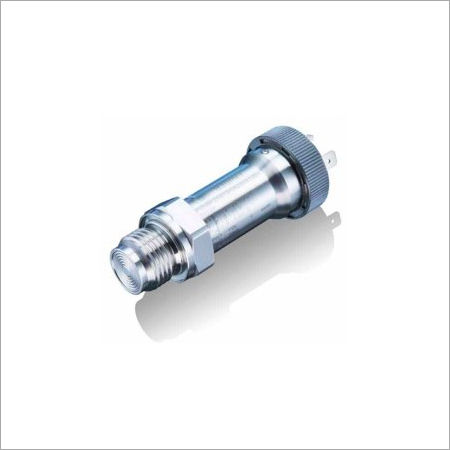

Price:
- 50
- 100
- 200
- 250
- 500
- 1000+

More Products in Pressure Transmitters Category
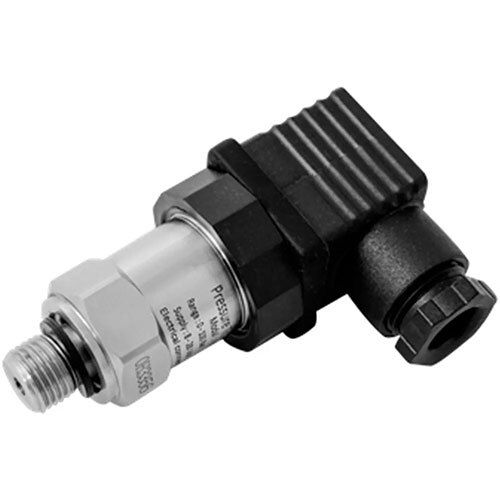
X-sense PT
Price 4400 INR / Piece
Minimum Order Quantity : 1 Piece
Input Voltage : 170270 V AC
Application : Industrial
Output Type : Relay Output
Product Type : Xsense PT
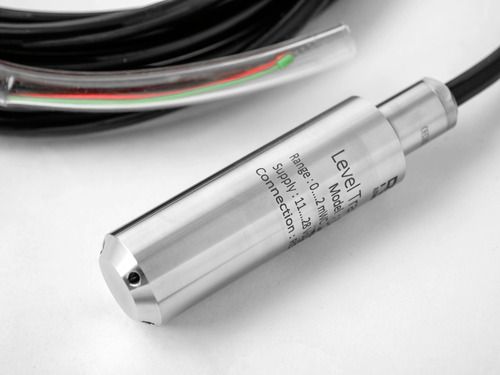
hydrostatic pressure transmitter
Price 9300 INR / Piece
Minimum Order Quantity : 10 Pieces
Application : Industrial
Product Type : pressure transmitter
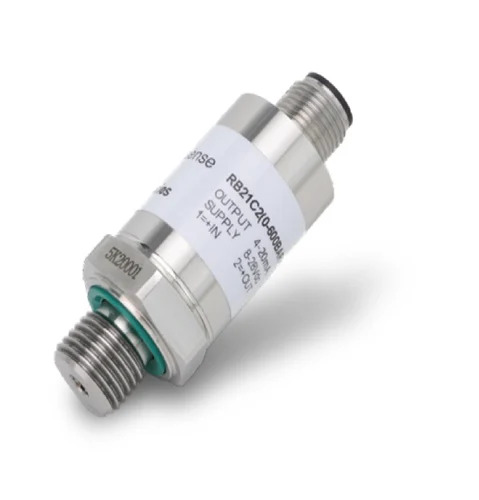
Sputtered Thin Film Pressure Transmitter RB21C2
Price 6500 INR / Piece
Minimum Order Quantity : 1 Piece
Input Voltage : 1030 V DC
Output Type : 420 mA
Flush Diaphragm Pressure Transmitter
Price 13000 INR / Piece
Minimum Order Quantity : 1 Piece
Input Voltage : 10 30 VDC
Application : Industrial Process Monitoring
Output Type : 420 mA, 2 wire

GST : 24AANCR5533K1Z1


 Send Inquiry
- Pressure Transmitters
- Stepper Motor
- Rotary Encoder
- Stepper Driver
- AC Drive
- Level Transmitter
- Digital Pressure Gauge
- Ultrasonic Level Sensor
- Pressure Sensor
- RSM Series AC Servo Motor
- PLC Control Panel
- SCADA System
- Laser Displacement Sensor
- Textile Sensor
- Proximity Sensor and Switch
- Label Sensor
- Human Machine Interface
- Photoelectric Sensor
- Servo Motor
- Proximity Sensor & Switch
- Variable Frequency Drive
- Flow Meter
- Flow Measuring Instruments
- Temperature Transmitter
- Level Measurement
- Pressure Measurement
- Temperature Measurement
 Send Inquiry
 Send SMS
Developed and Managed by Infocom Network Private Limited.

