


Call us now
08045812717

 Send Inquiry
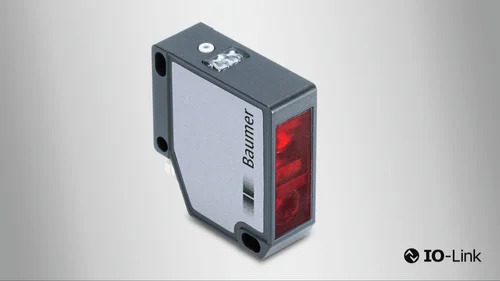
Diffuse Photoelectric Sensor
Price 1150.00 INR/ Unit
Diffuse Photoelectric Sensor Specification
- IP Rating
- IP67
- Sensitivity
- Adjustable via Potentiometer
- Cable Length
- 2 meter
- Response Time
- <1 ms
- Power Consumption
- Max. 30 mA
- Interface
- Cable (3-wire/4-wire)
- Wireless
- No
- Operating Temperature
- -25C to +70C
- Mounting Type
- Panel or Bracket Mountable
- Sensor Type
- Infrared Diffuse Reflective
- Measurement Range
- 10-80 cm Adjustable
- Signal Type
- Digital (On/Off)
- Application
- Position Sensing, Counting, Presence Detection
- Features
- Reverse Polarity Protection, Short Circuit Protection, LED Indicator
- Product Type
- Diffuse Photoelectric Sensor
- Material
- ABS Plastic Housing
- Input
- 12-24V DC
- Output
- PNP/NPN NO+NC
- Function
- Object Detection Using Diffuse Reflection
- Usage
- Industrial Automation, Conveyor Systems, Packaging, Robotics
- Accuracy
- High Detection Accuracy
- Resolution
- Detects Small Objects (as small as 0.2 mm)
- Voltage
- 12-24V DC
- Weight
- Approx. 80g
- Emission Frequency
- 950 nm (Infrared)
- Operating Humidity
- 35% to 85% RH
- Ambient Light Immunity
- Up to 10,000 Lux (incandescent)
- Light Source
- Infrared LED
- Connector Type
- Prewired
- Housing Color
- Yellow/Black
- Indicator
- LED Status Indicator (Output & Power)
- Vibration Resistance
- 10 to 55 Hz, 1.5 mm double amplitude
- Storage Temperature
- -40C to +80C
- Repeat Accuracy
- <0.1 mm
- Isolation Resistance
- >20 M (at 500 VDC)
Diffuse Photoelectric Sensor Trade Information
- Minimum Order Quantity
- 01 , , Unit
- Supply Ability
- 50 Units Per Week
- Delivery Time
- 3-4 Days
About Diffuse Photoelectric Sensor
Diffuse Photoelectric Sensor is provided with 10-30 V DC operating voltage. Most commonly, this equipment is used to determine the distance, presence and absence of any object. It does its work with the assistance of the light transmitter or a photoelectric receiver.It has been made to sense the object effectively. Diffuse Photoelectric Sensor, supplied and manufactured by R B Automation has been bestowed with several additional features. This is a less expensive sensor that can detect the color mark as well as label.
Technical specification
Operating Voltage | 10-30 V DC |
Sensing Distance | 300 mm / 500 mm |
Product Type | Rectangular shape |
Degree Of Protection | IP 67 |
Hysteresis | Less Than 15 % |
Sensor Type | Diffuse photo sensor |
Output Type | PNP / NPN |
Brand | Baumer |
Superior Detection Accuracy
The sensor leverages infrared diffuse reflection to identify small objects with exceptional accuracy, making it ideal for tasks that require precise positioning or counting. Its advanced emission frequency and adjustable sensitivity further enhance reliability across various applications.
Durability and Installation Flexibility
Engineered with robust ABS housing and equipped with protection features such as reverse polarity and short circuit prevention, the sensor withstands harsh industrial conditions from -25C to +70C. Flexible mounting optionspanel or bracketensure seamless integration into existing setups.
Smart Operation and Efficiency
Featuring an intuitive LED status indicator for output and power, as well as low power consumption (max. 30 mA), the sensor facilitates efficient system monitoring and maintenance. Ambient light immunity and rapid response times support uninterrupted, high-speed operations.
FAQs of Diffuse Photoelectric Sensor:
Q: How does the diffuse photoelectric sensor detect objects in industrial automation settings?
A: This sensor uses an infrared LED to emit light, which is diffused when it strikes an object. The reflected light is detected by the sensor, allowing it to sense presence, position, or count objects, even those as small as 0.2 mm. Adjustable sensitivity ensures accurate detection in dynamic environments.Q: What makes this sensor suitable for conveyor systems and packaging lines?
A: Its high repeat accuracy (<0.1 mm), fast response time (<1 ms), and adjustable sensing range (10-80 cm) allow it to detect and count items reliably on fast-moving conveyor belts and packaging lines, ensuring productive and error-free automation.Q: When should I use this sensor instead of other photoelectric types?
A: Opt for this diffuse reflective sensor when you require non-contact detection of varied materials or small parts, particularly in applications needing high sensitivity, minimal installation complexity, and immunity to ambient light interference up to 10,000 lux.Q: Where can the sensor be installed within an industrial setup?
A: It is designed for flexible mounting, either onto panels or brackets. Its prewired cable (2 meters long) and IP67-rated housing make it suitable for installation in environments exposed to dust, moisture, or vibrations ranging from 10 to 55 Hz.Q: What process is involved in adjusting the detection sensitivity and range?
A: Sensitivity is conveniently adjustable via a built-in potentiometer, allowing users to fine-tune detection distance and response based on the size and material of the target objects. This process is fast and does not require special tools.Q: How does the LED status indicator benefit operation and troubleshooting?
A: The integrated LED indicator displays real-time status for both output and power functions, providing visual confirmation of the sensors operation and aiding rapid troubleshooting during setup or maintenance.Q: What are the benefits of using a sensor with reverse polarity and short circuit protection?
A: Such protection ensures safer operation, reducing the risk of component damage or downtime due to wiring mistakes or electrical faults, thereby maximizing equipment lifespan and reliability.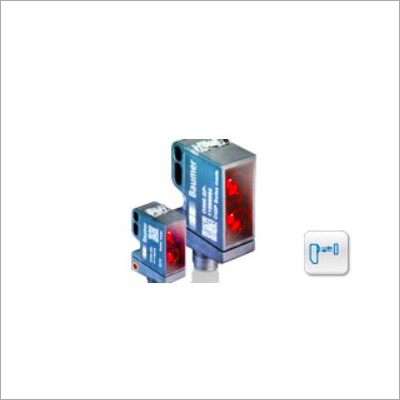

Price:
- 50
- 100
- 200
- 250
- 500
- 1000+

More Products in Photoelectric Sensor Category
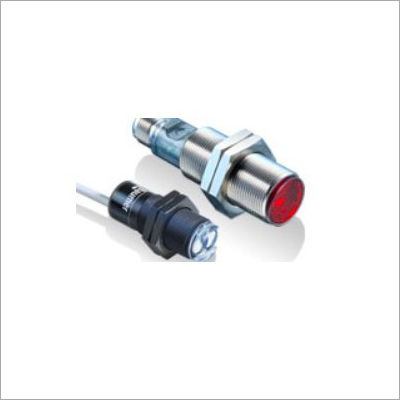
Through Beam Photoelectric Sensor
Price 1150.00 INR / Unit
Minimum Order Quantity : 01 ,
Product Type : Through Beam Photoelectric Sensor
Sensor Type : Through Beam
Material : ABS Plastic
Output : NPN/PNP NO/NC
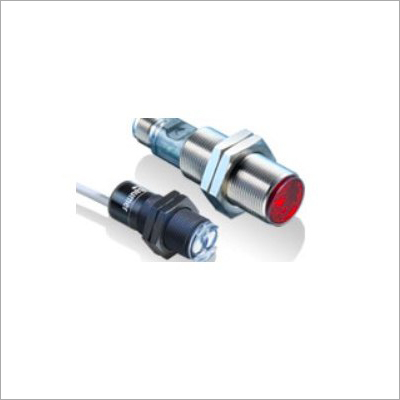
Cylindrical Photoelectric Sensor
Price 1150.00 INR / Unit
Minimum Order Quantity : 01 , , Unit
Product Type : Cylindrical Photoelectric Sensor
Sensor Type : Photoelectric
Material : ABS Plastic & Stainless Steel
Output : NPN/PNP, NO/NC
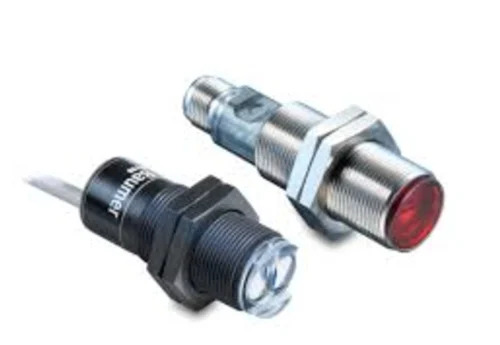
Cylindrical Photoelectric Sensor
Price 1500 INR / Piece
Minimum Order Quantity : 1 Piece
Product Type : Photoelectric Sensor
Sensor Type : Cylindrical Photoelectric
Material : Plastic
Output : PNP / NPN
Baumer Photoelectric Sensor
Price 2460 INR / Piece
Minimum Order Quantity : 1 Piece
Product Type : Photoelectric Sensor
Sensor Type : RetroReflective
Material : Plastic
Output : PNP/NPN

GST : 24AANCR5533K1Z1


 Send Inquiry
- Pressure Transmitters
- Stepper Motor
- Rotary Encoder
- Stepper Driver
- AC Drive
- Level Transmitter
- Digital Pressure Gauge
- Ultrasonic Level Sensor
- Pressure Sensor
- RSM Series AC Servo Motor
- PLC Control Panel
- SCADA System
- Laser Displacement Sensor
- Textile Sensor
- Proximity Sensor and Switch
- Label Sensor
- Human Machine Interface
- Photoelectric Sensor
- Servo Motor
- Proximity Sensor & Switch
- Variable Frequency Drive
- Flow Meter
- Flow Measuring Instruments
- Temperature Transmitter
- Level Measurement
- Pressure Measurement
- Temperature Measurement
 Send Inquiry
 Send SMS
 Call Me Free
Developed and Managed by Infocom Network Private Limited.

